Before the First Brushstroke
Most makeup problems — patchiness, creasing, sliding by noon — start before the makeup. Four minutes of prep fixes more than any primer can.
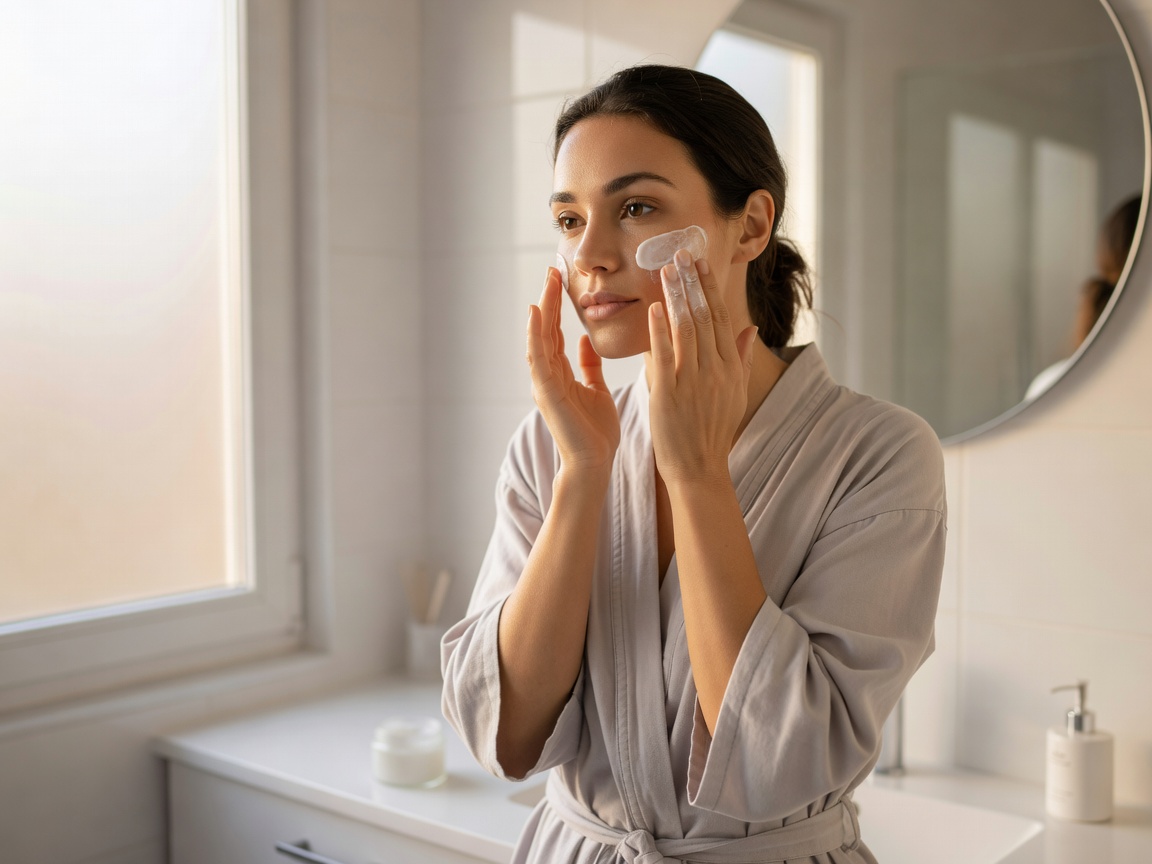
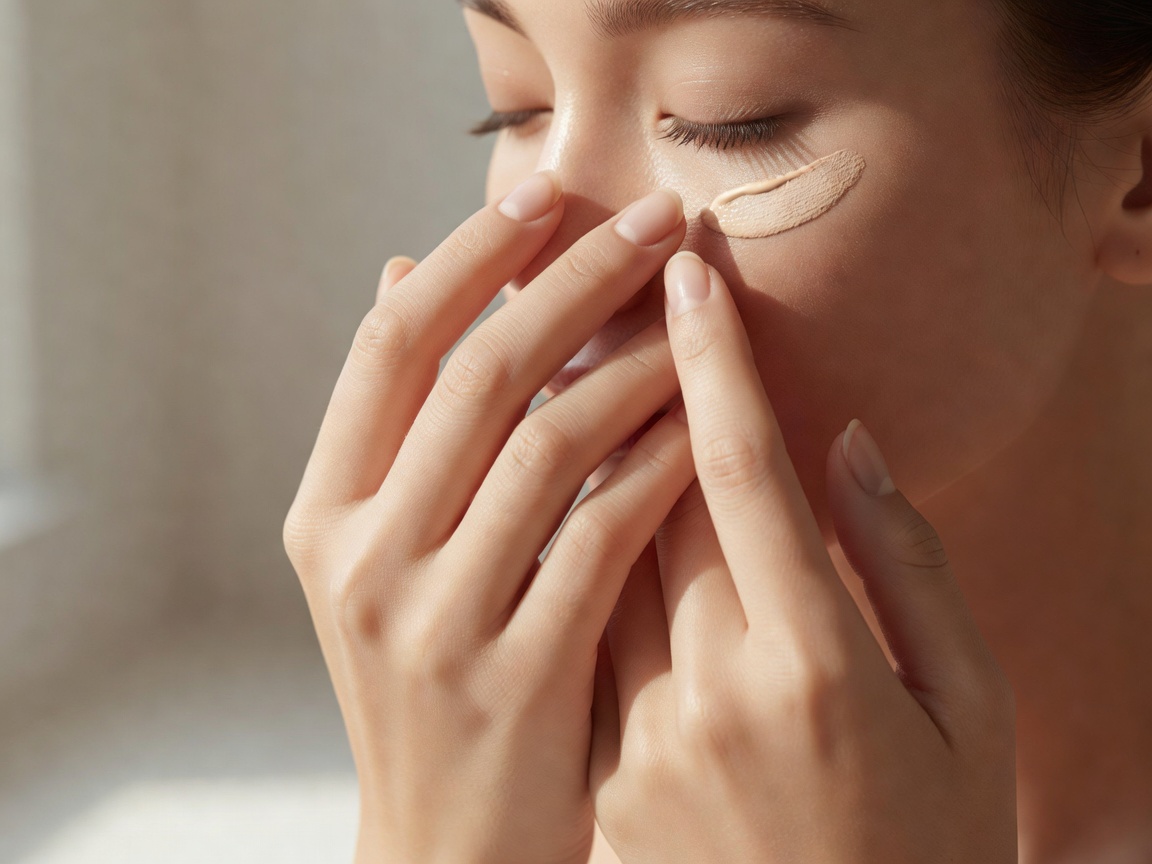
Four steps, every morning
- 01Rinse or gentle cleanse1 minIf you cleansed well the night before, lukewarm water is often enough. Dry skin especially benefits from not stripping oils twice a day.
- 02Moisturiser, pressed in1 minUse about a pea to a hazelnut amount. Press with palms rather than rubbing so it absorbs evenly.
- 03Sunscreen, generously1 minBroad-spectrum SPF 30 or higher, as recommended by the American Academy of Dermatology. Roughly two finger-lengths for face and neck.
- 04Wait2 minBrush your teeth, make coffee. Layering base onto wet sunscreen is the main reason foundation pills or slides.
Adjusting for your skin type
The routine above works for most people, but small changes make a big difference. Here's what we tweak after testing on different skin types.
Dry or tight skin
Apply moisturiser to slightly damp skin and choose a richer cream with ingredients like glycerin, ceramides or squalane. CeraVe and similar pharmacy brands built their reputations on these basics. Skip mattifying primers; they emphasise flakes. If base still clings to dry patches, a thin layer of balm on those spots only, pressed in, smooths things before foundation.
Oily skin
A lightweight gel moisturiser is still worth using — skipping moisturiser can leave skin feeling tight and doesn't reliably reduce shine. Choose a sunscreen labelled matte or for oily skin, give it the full two minutes, and keep powder to the T-zone. Mattifying primer is one of the few primers we think earns its place, and only in the centre of the face.
Combination skin
Treat it as two faces. Richer moisturiser on cheeks, lighter product (or less of it) on the forehead and nose. It sounds fussy, but it adds about twenty seconds.
Sensitive skin
Fewer products, patch-tested one at a time. Fragrance is a common irritant, so fragrance-free formulas are a sensible starting point. If something stings, take it out of the routine — makeup sitting well isn't worth an angry face. For persistent redness or reactions, a dermatologist or pharmacist is the right person to ask, not a tutorial.
Do you actually need primer?
For most everyday looks, no. A well-absorbed moisturiser and sunscreen already give makeup something to grip. Primer becomes useful in three situations: very oily skin that breaks through base by midday, large pores you'd like to blur for photos, and long days — weddings, events — where you need twelve hours of wear.
If you do use one, match it to your foundation's base where possible: water-based with water-based, silicone with silicone. Mismatched formulas are a frequent cause of pilling that people blame on the foundation.
The night before counts too
Thorough makeup removal makes the next morning's prep easier. A cleansing balm or micellar water followed by a gentle cleanser removes mascara and long-wear base without heavy rubbing. Clean sponges and brushes regularly — we aim for about once a week — because dirty tools spread oil and bacteria and make blending streaky.
Check the little open-jar symbol on packaging (the "period after opening" mark used under EU cosmetics rules). It shows how many months a product stays good once opened. Mascara is the one to watch: many experts suggest replacing it roughly every three months.
Once your skin is prepped, the rest goes faster. Try the base-light routines in Looks Worth Trying Now, or fix a stubborn base issue with our base hacks.